
This article is free for anyone to read, but please consider becoming a Patreon subscriber to allow me to keep writing posts like this one. Sign up to receive articles like this one in your inbox here.
Since last time out, there have been more announcements of the proposals MLB is making to the Players Association, as the two attempt to collectively bargain a new agreement that will take hold in 2027. Some of those, I’ve already covered for Baseball Prospectus — this one is free to read with a basic subscription, i.e. the cost of an email address — and some have come since then, as well, and will get addressed there next week. Hey, it’s a holiday weekend and they’re going dark on Friday, I ran out of days alright?
There’s no reason to avoid giving a little preview there, though, but let’s start with what’s already written:
MLB offered up the first post-opening round proposal in collective bargaining, and it is the culmination of a number of ideas that the league has been pushing, to various degrees, for decades now. The introduction of an international draft; cutting back on spending for domestic amateurs; further deemphasizing the minor leagues, and offloading a not-inconsiderable percentage of its developmental role to college baseball and its own coffers; further gutting free agency and the money to be potentially made off of it. Unlike with a salary cap, where plenty of fans and some media members have been thinking that maybe it’s the answer for some problem somewhere, this proposal is clearly, obviously designed for nothing beyond saving a buck.
…
Either way, MLB needs to take this process more seriously next time out, to give us all a sense of just what kind of bargaining process we’re all going to witness in the coming months.
There’s an entire feature in between those two paragraphs, but for expediency’s sake let’s just roll with those and I’ll leave the rest of it to your own schedule. MLB proposed a series of changes that are basically what I’ve been warning against for the better part of a decade now, but luckily the PA rejected them because 2026’s MLBPA is not 2016’s, and the idea of selling out a portion of the membership — or, at that time, future members — in order to get ahead elsewhere isn’t the risk it once was.
That last graf, though, is included because we have since seen more of what MLB is proposing, and in fact do have a better sense of what kind of bargaining process we’ve got in front of us for the rest of the summer, at least. MLB proposed putting hard limits on free agent contracts for players changing teams, holding them to five years maximum, while players re-signing with their existing team can be had for six years. This specific point is one that I need an entire column to address, as what it means does not sit well with me at all, and would certainly introduce something horrible that MLB has managed to avoid to this point.
They also “agreed” — those quotes are sarcastic, just so we’re clear — to a couple of MLB proposals for eliminating the qualifying offer and rearranging free agent eligibility, but it turns out that they were making those agreements contingent on the PA agreeing to a salary cap system. Which is no agreement at all, merely a way to play it up as if one side is playing ball and the other is not.
The good news is that the reaction to much of what MLB has been proposing in the weeks since their opening offers can be summed up in a single image:
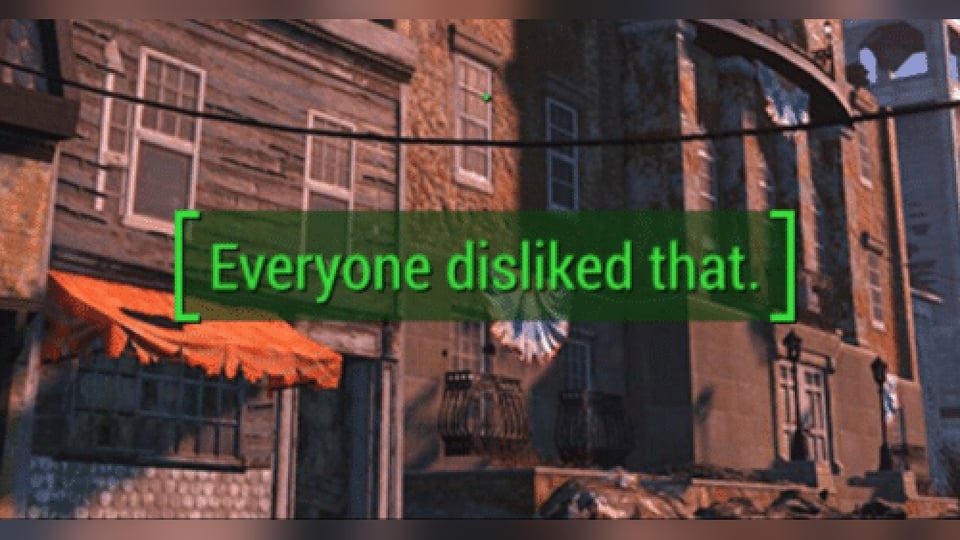
The media, in general, has not been supportive of what MLB is putting out, likely because the vision has gone from “oh, that’s a surprisingly high floor that MLB is proposing, maybe they’re taking this seriously” to “They want to cut high school players out of the draft and limit free agency beyond just salaries? What?” Which has meant that it’s very important for MLB to use its social media accounts to deceptively launder its messaging in between riffs on popular culture attached to videos of guys hitting long homers, and to bring on Travis Sawchik to MLB.com to explain why, actually, it’s good when bad things happen, because they are good from a certain point of view. The one he is being paid to espouse, I mean. You know, the guy who was in favor of shrinking the minor leagues, because efficiency, you see. Now there’s a reliable and trustworthy voice with the best intentions of the game in mind.
Speaking of bad things actually being good, it’s actually heartening to see the league have to take such a hands-on approach to its propaganda, though. They can’t necessarily rely on someone else doing the dirty work for them — the media and fans don’t decide when something is agreeable or not, that’s the union’s job, but the union does have an easier time of it when every columnist and fan isn’t telling them that they are all greedy jerks ruining the game, you know? If the league has to be the one to say it, then things are much easier on that front.
The PA has also made some new proposals, and they are meaningful, but fairly small in structure compared to the likes of what had already been proposed by them, and MLB’s attempts to reshape the game by inflicting generational trauma on it. An expansion of rosters from 26 to 28 players (with a cap of 14 pitchers) early in the season, akin to expanded September rosters; earlier 60-day IL placements; cut into the number of times a player can be shuttled back-and-forth between the majors and minors, and cut pay for those players less upon return to the latter; some additional service-time protections; player access to “non-proprietary performance data and video” in order to “increase transparency” and let players track themselves the same as the teams.
It all seems reasonable enough, but what sticks out here, too, is that the PA is focusing on this instead of trying to create a more palatable version of MLB’s demands; those have been rejected outright, they are non-starters, and the league will have to do better to get a direct response from the PA that doesn’t come in the form of a “this is some bullshit” press release.
It’s going to be a long summer, yes, and a lockout is still likely, but one that costs games? Despite MLB’s insistence that it must fundamentally change everything about the league for the worse at the players’ expense, I’m still not concerned about that. The mass renegotiation of broadcasting deals in 2028 still looms large, and MLB is not going to want to go into them having recently failed to fill any air time, and the two sides agree, at least theoretically, on the need for revamped revenue-sharing being at the core of a solution to the financial problems that do exist. There are reasons to actually bargain and work toward a deal, and there are major focal points that already display what they will work toward. We just have to endure all of this, first.
Visit my Patreon to become a supporter and help me continue to write articles like this one.